PSMA PET-CT Scan
A PSMA PET-CT scan is a type of scan that can help find small areas of prostate cancer that may not be seen on other scans.
A PSMA PET-CT scan is a type of scan that can help find small areas of prostate cancer that may not be seen on other scans.
PSMA stands for prostate-specific membrane antigen. This is a protein found on prostate cells.
Some prostate cancer cells have higher levels of PSMA than normal cells.
Before the scan, a small amount of radioactive tracer will be injected into a vein. The tracer attaches to PSMA and helps prostate cancer cells show up on the scan.
A PSMA PET-CT scan combines a PET scan and a CT scan to create detailed pictures of the inside of your body. 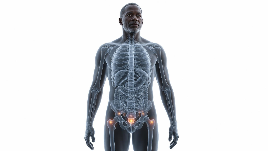
A PET scan detects the tracer and shows where it has collected in your body.
A CT scan provides detailed pictures of your organs, bones and other body tissues.
Together, these scans can help your healthcare team: Find prostate cancer cells
See whether prostate cancer has spread
Check if prostate cancer has come back after treatment
A PSMA PET-CT scan can help your healthcare team find prostate cancer cells and understand more about your cancer before recommending treatment.
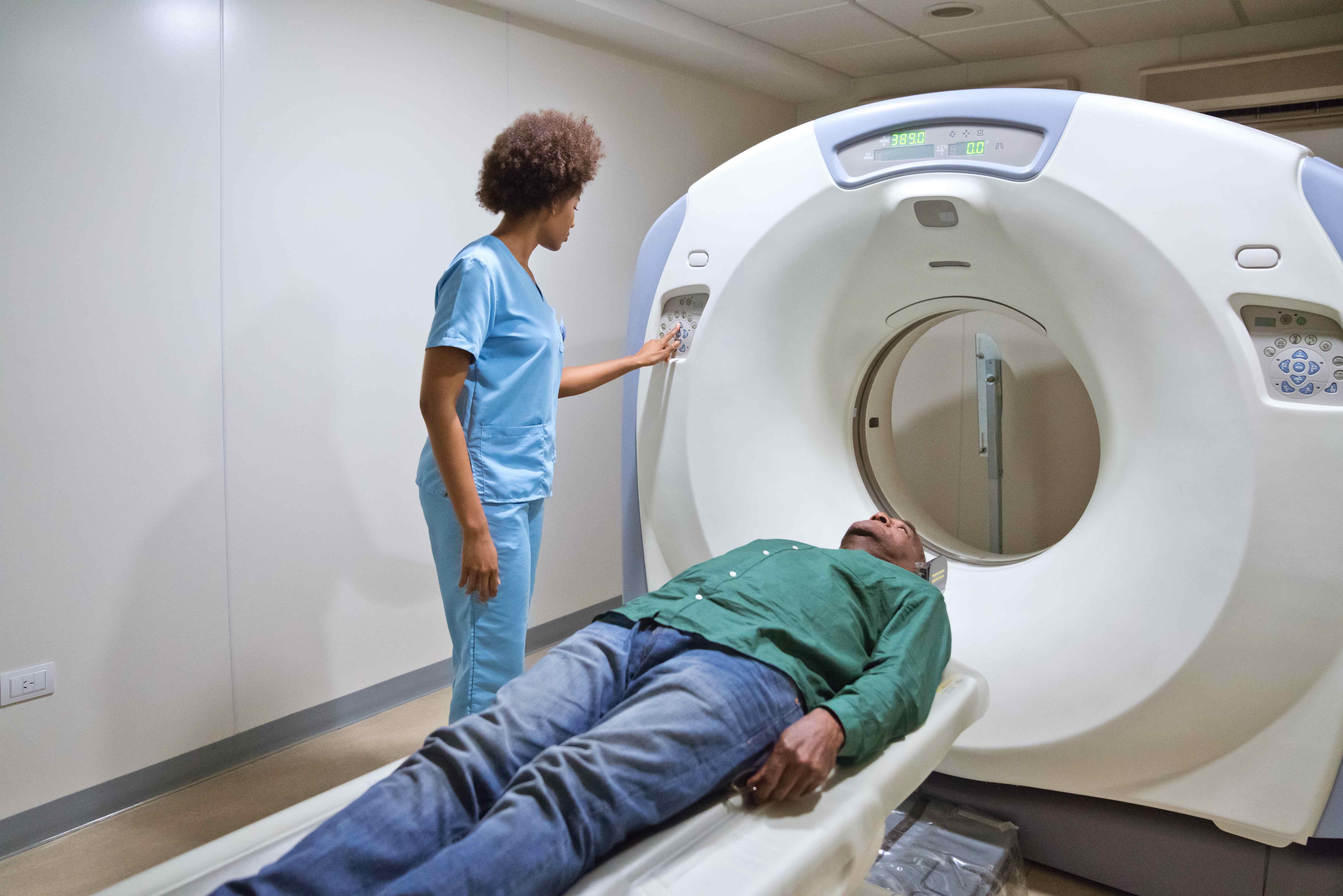
A PSMA PET-CT scanner is a large, doughnut-shaped machine. It looks similar to a CT scanner and has a short tunnel in the centre.
You will be asked to lie on a scanning bed that moves slowly through the tunnel while images are taken.
The tunnel is short and open at both ends. Most people do not feel enclosed during the scan.
You may be offered a PSMA PET-CT scan if your healthcare team needs more information about your prostate cancer.
This may include:
If you have recently been diagnosed with prostate cancer
You may be offered a PSMA PET-CT scan if your healthcare team needs to find out whether the cancer has spread beyond the prostate before discussing treatment options with you.
This is more likely if your cancer is considered high risk, for example if:
Your PSA level is above 20 ng/mL
Your Gleason score is 8 or higher (Grade Group 4 or 5)
Scans suggest the cancer has grown outside the prostate
If you have already had treatment for prostate cancer
You may be offered a PSMA PET-CT scan if your PSA level has risen after treatment and your healthcare team needs to find out whether prostate cancer cells are present.
This may include:
After radical prostatectomy, if your PSA is 0.2 ng/mL or higher
After radiotherapy or brachytherapy, if your PSA has risen by 2 ng/mL or more above its lowest level following treatment
What do I need to do before the PSMA PET scan?
You will be given information about how to prepare for your scan. This may be by letter, text message or a phone call.
You may be asked to:
Drink plenty of water before your appointment.
Take your usual medications – unless you have been told not to.
Avoid strenuous exercise before your scan.
Wear loose, comfortable clothing.
Avoid wearing jewellery or clothing with metal fastenings, such as zips, belts or buttons.
Follow the instructions you are given, as preparation may vary between hospitals. .
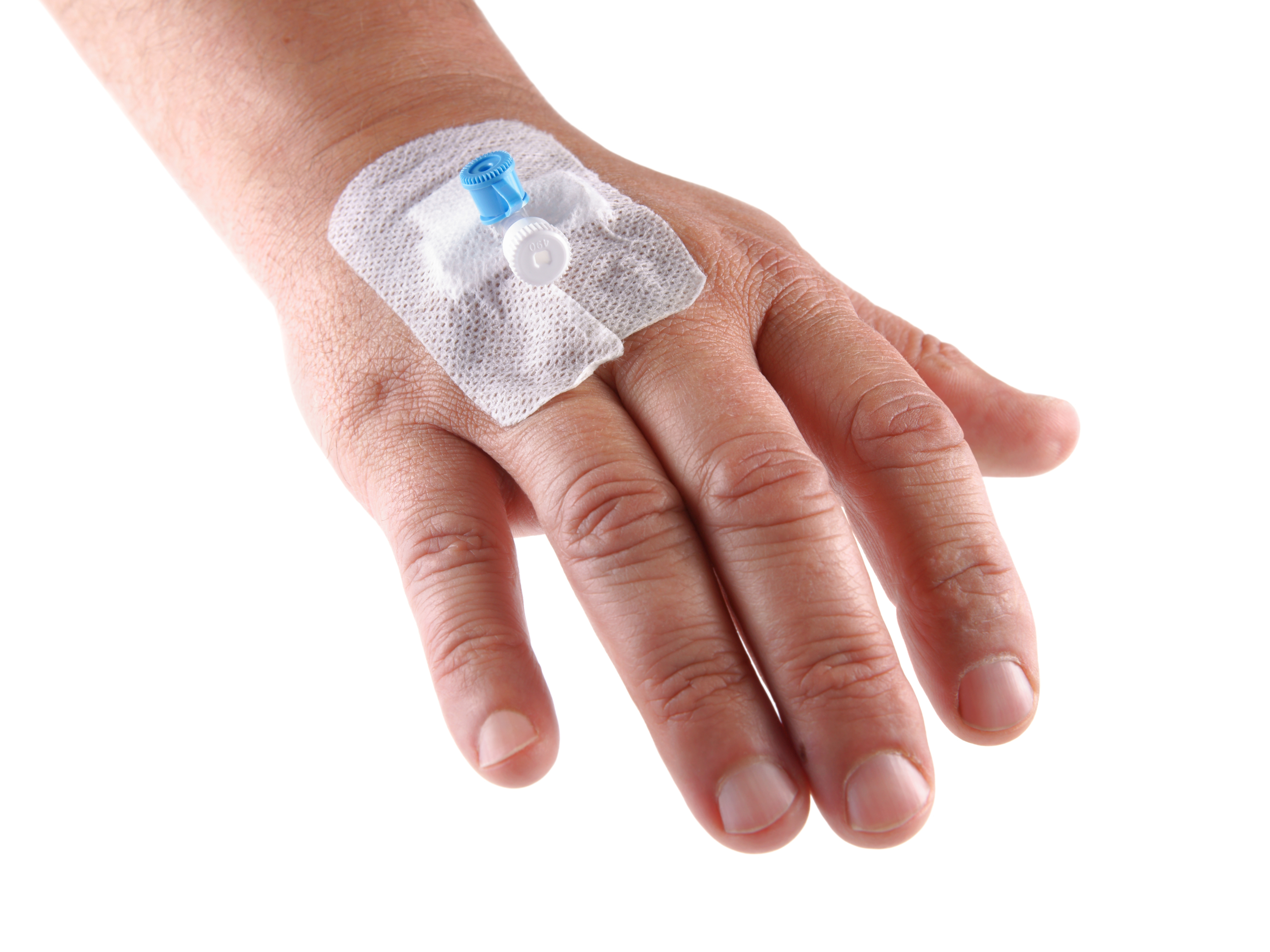 About an hour before your scan, you will be given an injection of the radiotracer into a vein in your hand or arm.
 To do this, the radiographer will place a small tube into the vein. This is called a cannula.
The radiotracer travels around your body and attaches to PSMA (prostate-specific membrane antigen), a protein found on prostate cells.
Some prostate cancer cells have higher levels of PSMA than normal cells. This can help them show up on the scan.
You will then wait for the radiotracer to travel around your body before the scan begins.
Your healthcare team will explain what to expect while you are waiting.
The scanner has a short tunnel that is open at both ends. Most people do not feel enclosed during the scan.
You will be asked to lie on your back on the scanning bed.
The bed will move slowly through the scanner while images are taken.
It is important to keep as still as possible during the scan.
The scan usually takes between 30 and 60 minutes.
The scan is painless. If lying still for this length of time is likely to be difficult for you, please tell a member of staff before the scan.
After your scan:
Avoid close contact with pregnant women, babies and young children for about 6 hours
Drink plenty of fluids to help flush the radiotracer from your body
You can eat and drink as normal
Your healthcare team will tell you if there are any additional instructions you need to follow.
Your results are usually available within 1 to 2 weeks.
The healthcare professional who requested the scan will explain your results and what they mean for you.
You may receive your results at a follow-up appointment, by telephone or by letter.