Hormone Therapy (tablets)
Tablets that stop the body from making testosterone or prevent testosterone from reaching the prostate cancer cells.
This page explains what hormone therapy tablets are, when they may be used, and how they can help treat prostate cancer. The information will help you understand your options.
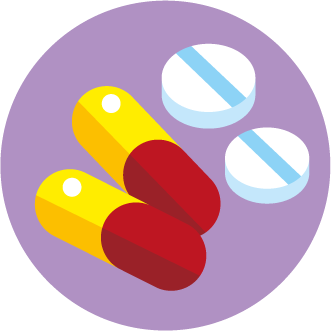
There are two main types of hormone therapy tablets. These are often called ARPIs
ARPI stands for androgen receptor pathway inhibitor.
These tablets help slow down the growth of prostate cancer.

What are the main benefits of hormone therapy tablets?
Hormone therapy tablets are taken alongside hormone injections or relugolix tablets.
Compared to hormone injections or relugolix on their own, hormone therapy tablets can:
Help you live longer
Control the cancer for longer
Delay the cancer getting worse
They work in two main ways:
They lower testosterone levels
They reduce the amount of testosterone made in the body.
This includes testosterone made by the adrenal glands and, in some cases, by the cancer itself.
Abiraterone works in this way.
Or
They stop prostate cancer cells using testosterone.
These tablets stop prostate cancer cells from using testosterone to grow.
These include:
Apalutamide
Darolutamide
Enzalutamide
Your oncologist or urologist will talk with you about which tablet may be suitable for you and explain why. This depends on your type of prostate cancer, your overall health, and your preferences
When are hormone therapy tablets used?
You may be offered hormone tablets as well as hormone injections or relugolix if one of the following applies to you:
You have just been diagnosed with high risk prostate cancer and
High-risk prostate cancer means:
OR
If it has not spread to the lymph nodes, you have two or more of the following:
2. Newly diagnosed metastatic prostate cancer
This is called metastatic prostate cancer.
3. Prostate cancer after previous treatment
4. Metastatic castration-resistant prostate cancer (mCRPC)
This is called metastatic castration-resistant prostate cancer.
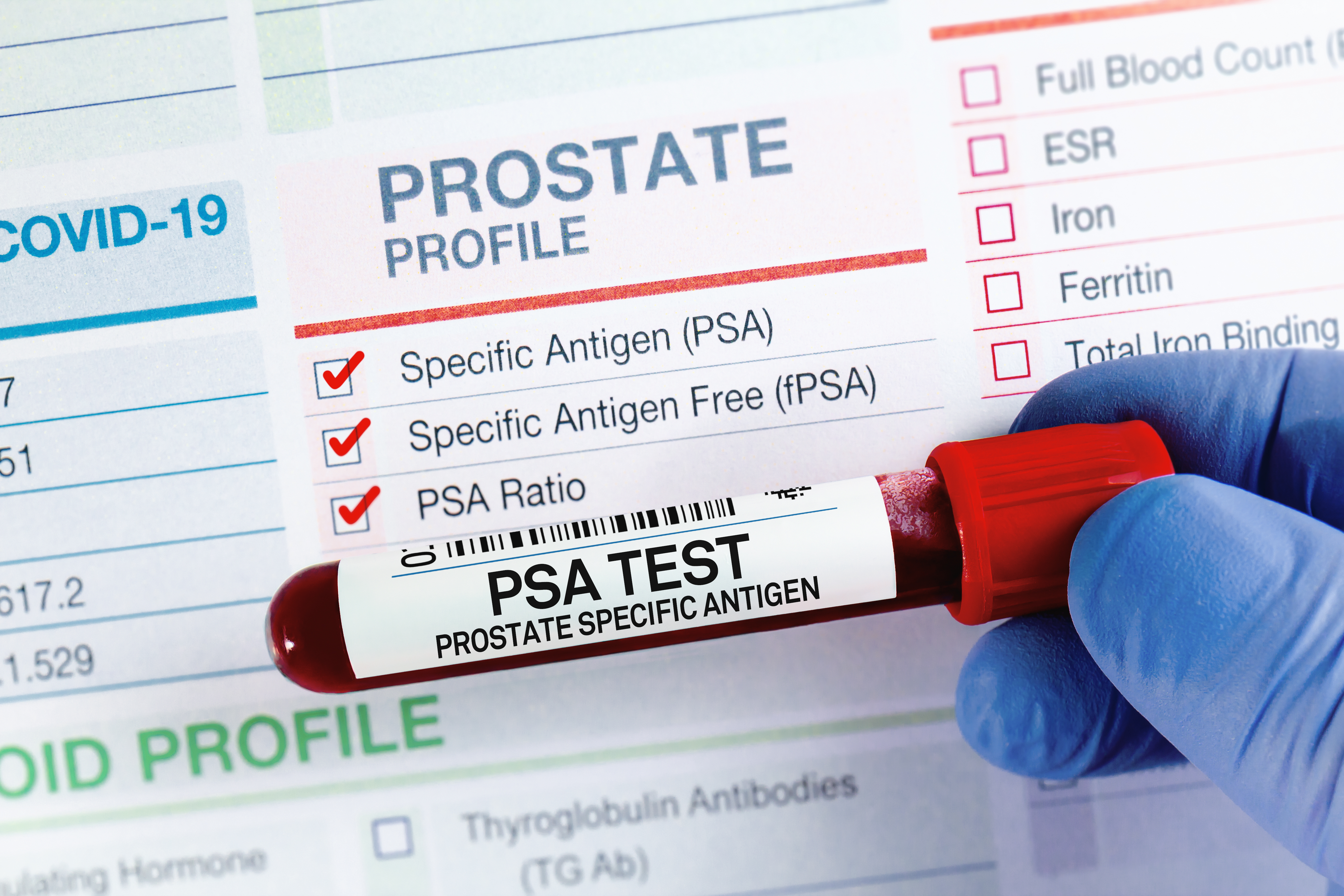 while you are on hormone therapy.

In patients with non-metastatic castration-resistant prostate cancer
In patients with metastatic hormone sensitive prostate cancer
In patients with non-metastatic castration-resistant prostate cancer
Enjoying activities such as walking or going out to the pub
75 out of 100
Ability to make good connections with others
50 out of 100
Ability to reach sexual arousal, either physically or emotionally
78 out of 100
Knowing who you are and what motivates you
66 out of 100
Feeling good and functioning well in your personal and professional life
66 out of 100
Ability to think clearly, make good decisions, and cope with your emotions
66 out of 100
Feeling of constant physical and/or mental tiredness or weakness
81 out of 100