PARP Inhibitors
PARP inhibitors are used to treat advanced prostate cancer that has spread to other parts of the body and has stopped responding to hormone treatments that lower testosterone.
PARP inhibitors are a type of targeted treatment used to treat prostate cancer that has:
This is called metastatic castrate resistant prostate cancer (mCRCP)
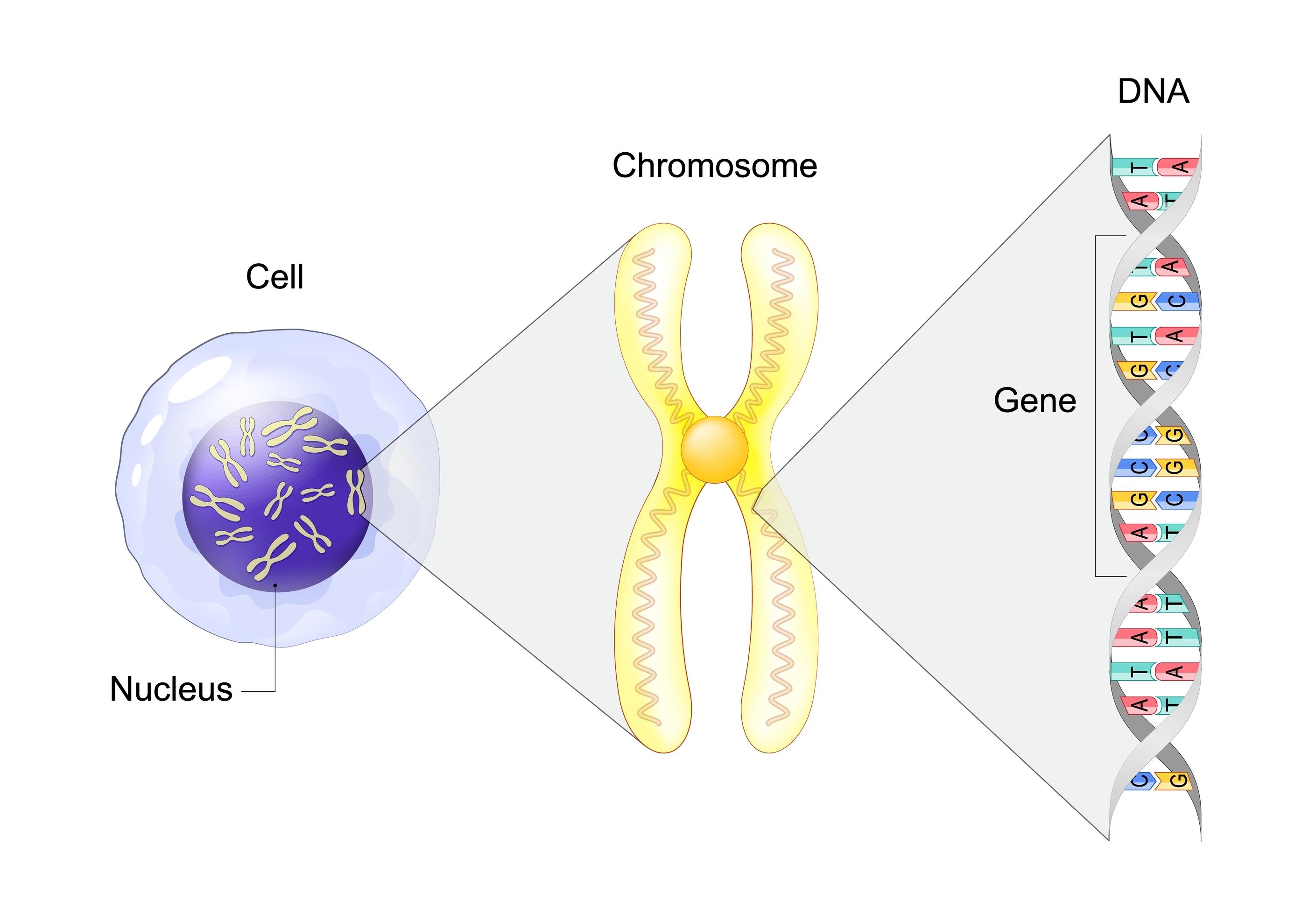
DNA is found in every cell. It carries the instructions that help cells grow and survive.
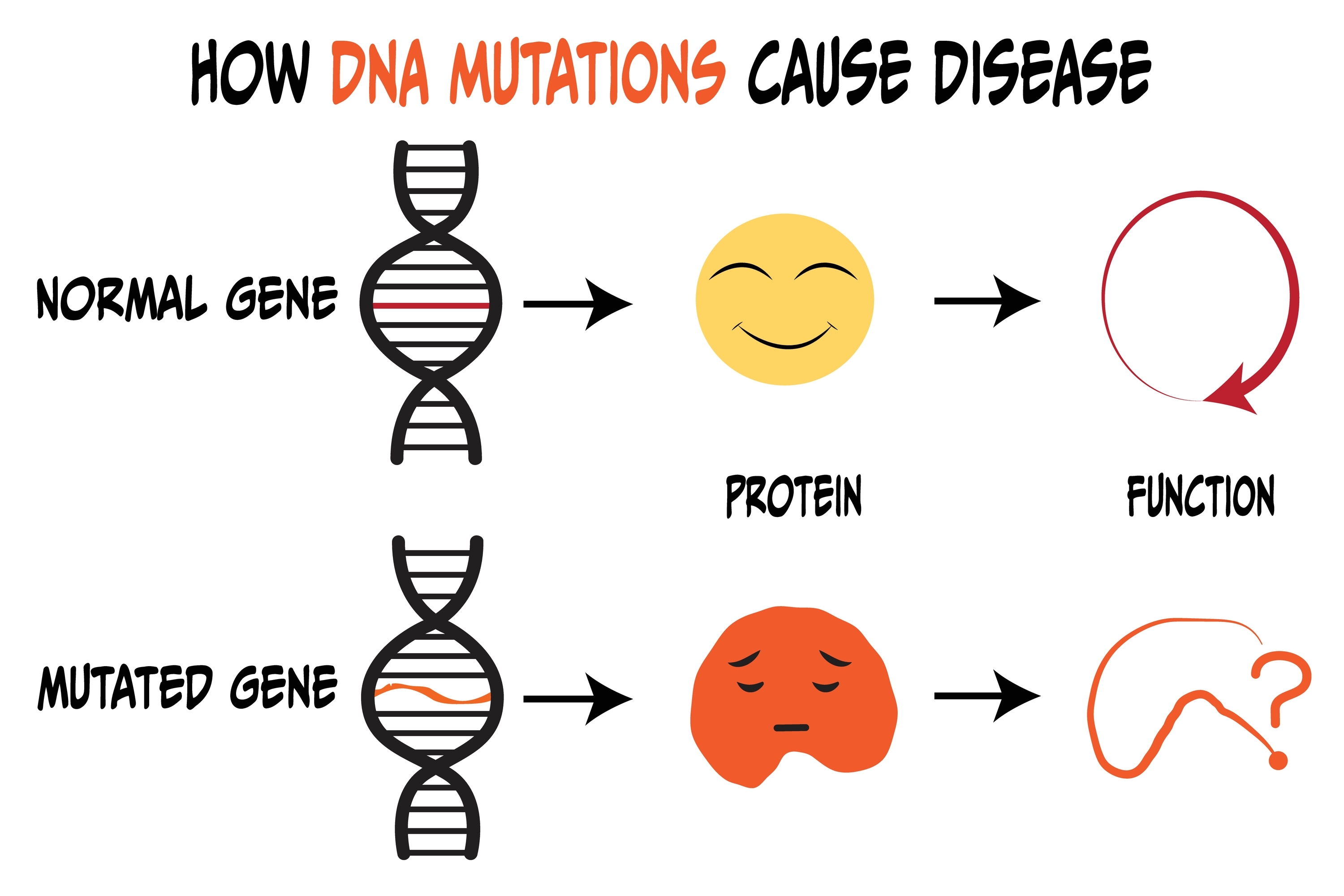
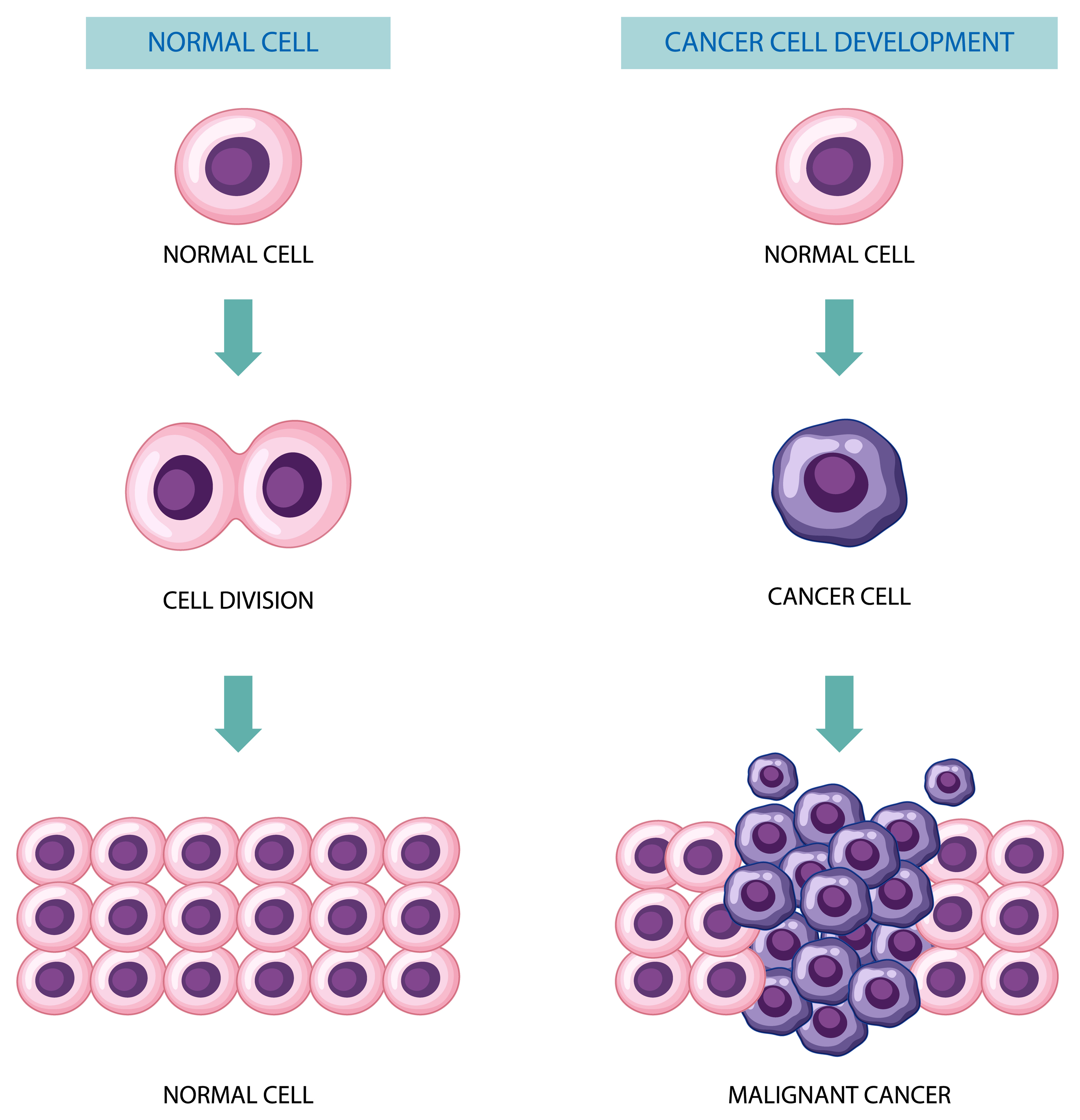
Cancer cells often have damaged DNA and problems repairing it properly.
PARP is a protein found in cells that helps repair damaged DNA.
PARP inhibitors block the PARP protein.
When this happens, cancer cells can no longer repair their damaged DNA.
Over time, the damage builds up and the cancer cells can no longer survive.
Normal cells are usually better at repairing DNA, so they are less affected.
If you take a PARP inhibitor, your prostate cancer may take longer to get worse (progress).
PARP inhibitors may be used to treat metastatic castrate-resistant prostate cancer (mCRPC).
There are two types of PARP inhibitors used to treat metastatic castrate resistant prostate cancer.
Olaparib on its own
You may have olaparib on its own if you:
Olaparib with abiraterone
You may have olaparib together with:
If you:
This treatment is not currently available in Northern Ireland.
Talazoparib
You may have talazoparib if you:
Talazoparib would be your first treatment for metastatic castration-resistant prostate cancer and
You are having hormone injections or relugolix tablets, and
You are unable to take abiraterone plus prednisolone
You live in England, Scotland or Wales. It is not currently available in Northern Ireland.
You do not need to have a BRCA gene fault to receive Olaparib with Abiraterone or Talzoparib with Enzalutamide.
You get genes from both of your parents.
You do not need to be tested.
Tissue from your prostate biopsy or sometimes a blood test, can be used to check for faulty BRCA genes. The blood test is not routinely available on the NHS.
Your doctor might advise you to have one. This will be used to check your cancer for a faulty BRCA gene.

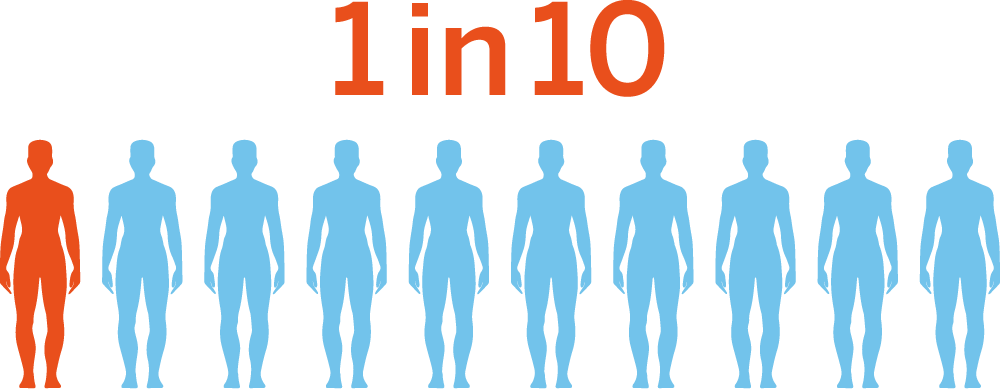
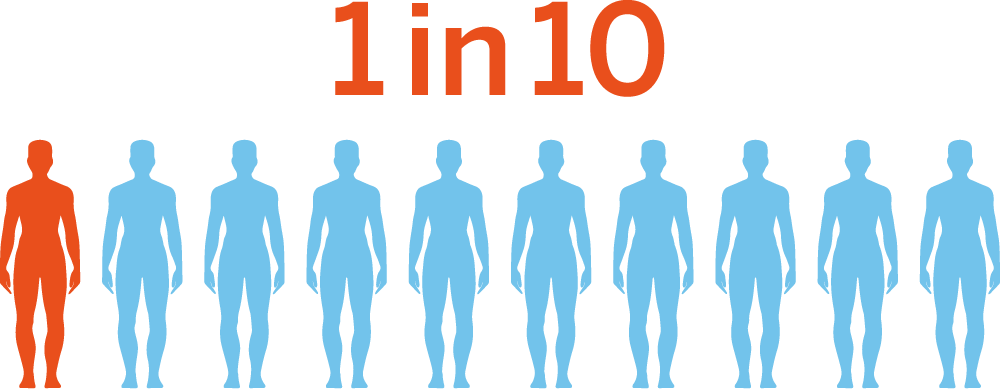
Only about 1 in 5 people with prostate cancer will show a faulty BRCA gene.
Sometimes prostate cancer starts to grow again, even when hormone injections or relugolix are keeping testosterone levels low. This is called Castration-resistant prostate cancer.
It may also be called hormone-relapsed prostate cancer.
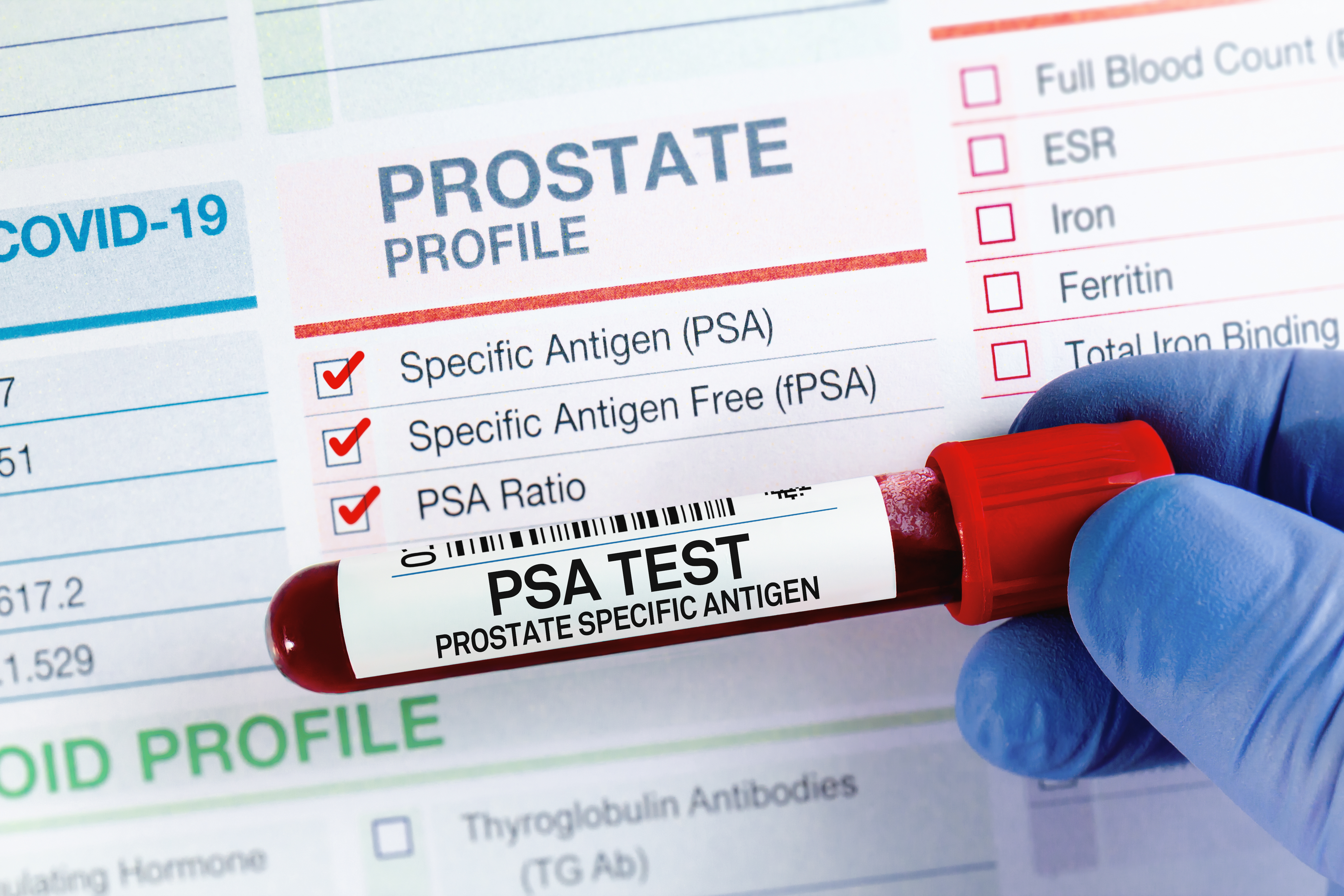
It is diagnosed when you are on hormone injections or relugolix tablets and your blood tests show:
Your testosterone level is very low and
Your PSA is rising on three blood tests in a row
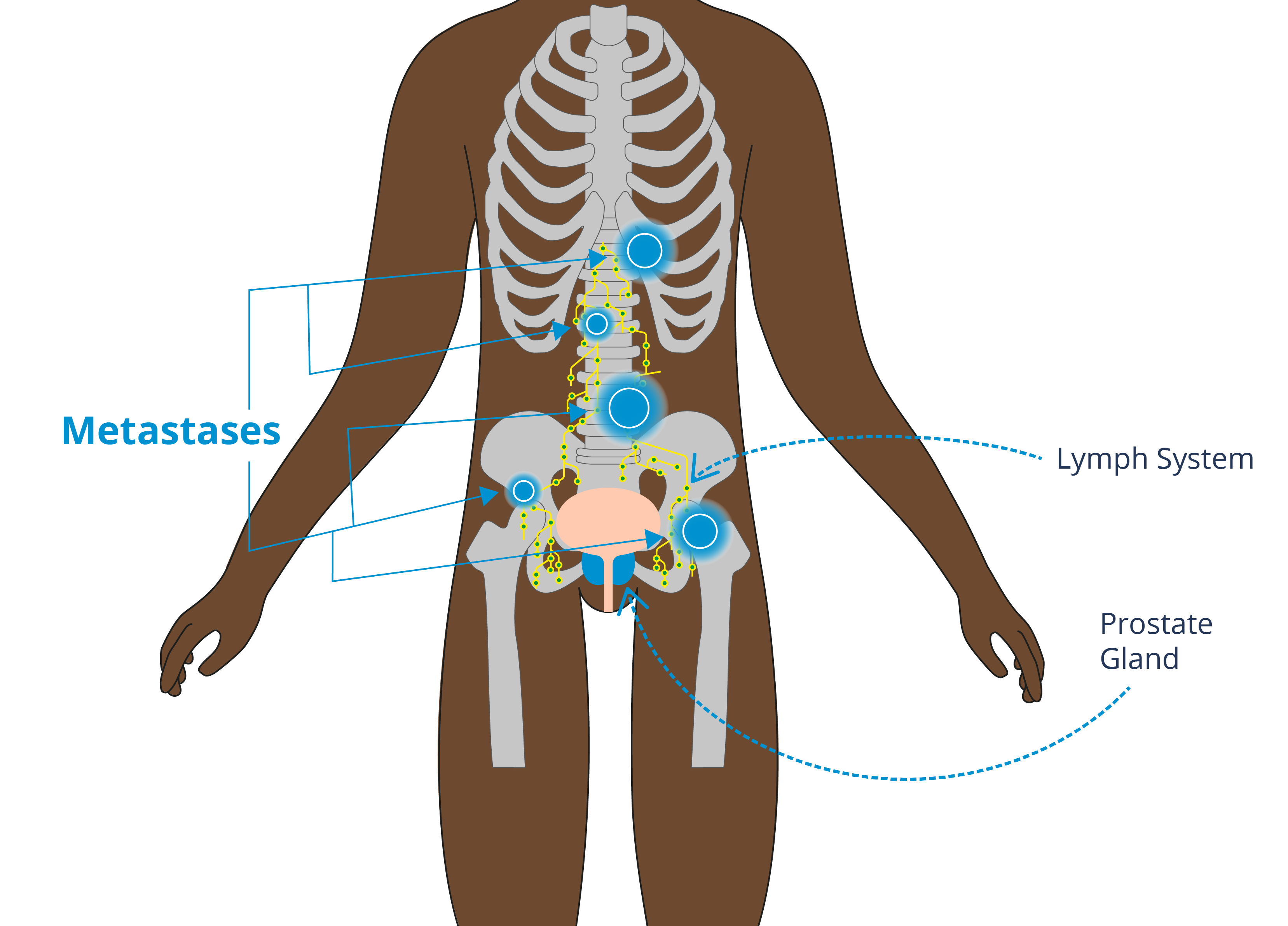
or your scans show:

Olaparib
Talazoparib
PARP inhibitors are tablets taken by mouth. They should not cause you any pain.
If you are diabetic, your blood glucose will be monitored. This is to check for low blood glucose.
If you are taking Olaparib with Abiraterone and Prednisolone, you will need:
You will have a blood test every month to check for:
Anaemia (low red blood cells)
Low white blood cells (which help fight infection)
Low platelets (which help your blood clot)
Regular PSA tests
You may need scans to check how your cancer is doing or how treatment is working
You will need to take time off work for regular outpatient appointments.

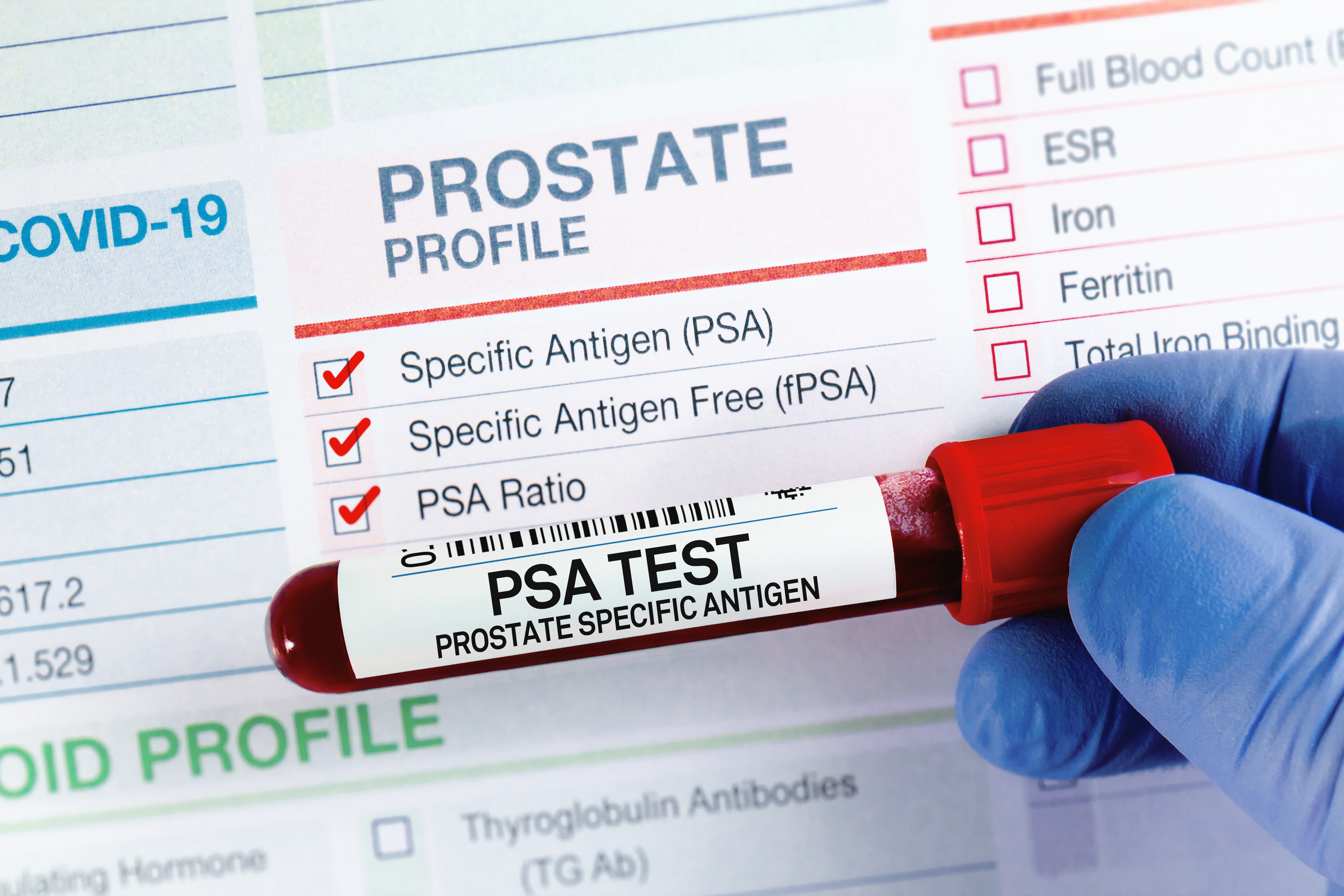
You will have regular PSA blood tests. If your PARP inhibitor is working, your PSA will either:
If your PARP inhibitor
Other treatments may be available. These will depend on what treatments you have had before and how well you are.
Possible treatments could be:
 Chemotherapy (Visit our page on chemotherapy)
 Radium 223 (Visit our page on Radium 223)
 Low dose steroid tablets.
While you are taking PARP Inhibitors
After finishing treatment


Signs of a possible blood clot (thrombosis or embolism)
painful swollen leg (or arm)
chest pain
sudden or worsening shortness of breath
fast breathing or fast heartbeat
If you have these symptoms, contact your healthcare team urgently. If you cannot reach them, call NHS 111 for advice. In an emergency, call 999 or go to A&E.
Side effects you should report to your healthcare team
Feeling short of breath
Feeling very tired
Pale skin
feeling dizzy or light headed
These symptoms may mean that you have a low number of red blood cells. This is called anaemia. If your symptoms are sudden, severe or getting worse contact your healthcare team straight away. Very common side effects of Olaparib
• Feeling sick (nausea)
• Being sick (vomiting)
• Feeling tired or weak
• Indigestion or heartburn (dyspepsia)
• Loss of appetite
• Headache
• Changes in taste of foods (dysgeusia)
• Feeling dizzy
• Cough
• Shortness of breath
• Diarrhoea - if it gets severe, tell your doctor straight away.
• Low white blood cell count (leukopenia or neutropenia) which may decrease your ability to fight infection and may be associated with fever.
Signs of a possible blood clot (thrombosis or embolism)
Signs of a possible infection (due to low white blood cells)
If you have these symptoms, contact your healthcare team urgently. If you cannot reach them, call NHS 111 for advice. In an emergency, call 999 or go to A&E.
Side effects you should report to your healthcare team
These symptoms may mean that you have a low number of red blood cells. This is called anaemia. If your symptoms are sudden, severe or getting worse contact your healthcare team straight away.
Signs of low platelets:
Common side effects that may show up in blood tests
Please note: Olaparib is still a fairly new treatment. This means that we do not as yet have enough stories to feed into the images. The images will update as more people share their stories about being treated with Olaparib.
Enjoying activities such as walking or going out to the pub
100 out of 100
Ability to make good connections with others
100 out of 100
Ability to reach sexual arousal, either physically or emotionally
100 out of 100
Knowing who you are and what motivates you
100 out of 100
Feeling good and functioning well in your personal and professional life
100 out of 100
Ability to think clearly, make good decisions, and cope with your emotions
100 out of 100
Feeling of constant physical and/or mental tiredness or weakness
100 out of 100